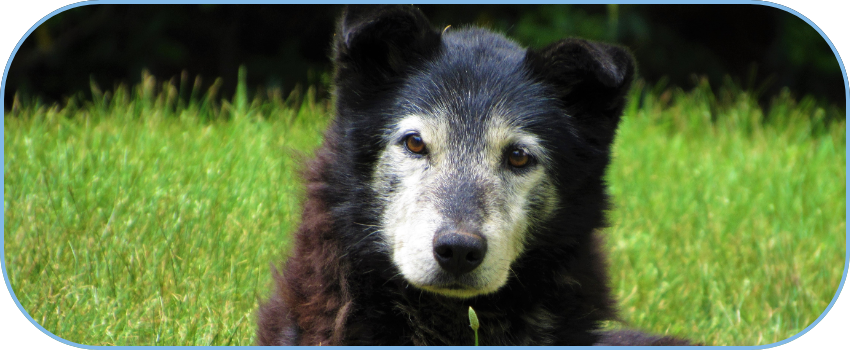
As pets age, many owners assume that slowing down, sleeping more, or losing interest in play is simply a natural part of getting older. While it’s true that energy levels change with age, slowing down is often a sign of underlying pain and not just old age.
Recognising and addressing pain early can dramatically improve your pet’s comfort, mobility, and quality of life.
Recognise and Address Your Pet's Pain!
Common Causes of Pain in Senior Pets
Pain doesn’t just happen overnight. It often develops gradually, making it easy to miss. Some of the most common conditions we see in dogs and cats include:
- Hip or Elbow Dysplasia: Common in large breeds such as Golden Retrievers, Labrador Retrievers and German Shepherds, leading to joint degeneration.
- Arthritis (Osteoarthritis): One of the leading causes of chronic pain in older pets.
- Dental Disease: Painful gums, tooth infections, or broken teeth can make pets quiet or withdrawn.
- Back Problems: Conditions like intervertebral disc disease (IVDD) cause stiffness, reluctance to move. IVDD is more common in short legged breeds with a long back.
- Cancer: Tumours pressing on bones or organs can cause discomfort that may look like “slowing down.”
Signs That Slowing Down May Be Pain, Not Age
Because pets are experts at hiding discomfort, changes are often subtle. Look out for these warning signs:
- Hesitation when jumping onto the couch or into the car
- Stiffness when standing up or lying down
- Reduced interest in walks, play, or climbing stairs
- Limping or favouring one leg
- Changes in grooming habits (especially in cats)
- Irritability, restlessness, or hiding more than usual
- Changes in appetite or sleeping habits
If you notice even small changes in your pet’s behaviour or mobility, it’s important to get your pet checked with your vet.
Why Early Pain Management Matters
Untreated pain doesn’t just affect comfort, it can lead to muscle loss, weight gain, depression, and a shorter lifespan. With early diagnosis and the right treatment plan, many pets regain energy and mobility.
Treatment options may include:
- Prescription medications such as anti-inflammatories
- Nutritional supplements
- Physical therapy, laser therapy, or acupuncture
- A diet to encourage weight loss to reduce strain on joints (Browse our range here!)
- Dental care to eliminate oral pain (Browse our range here!)
Early diagnosis leads to better treatment and faster recovery.

What You Can Do Next
Don’t brush off slowing down as “just getting old.” If your pet seems less active, it could be a sign that they’re living with pain. Get in touch with your vet today!
Take Action for Your Pet’s Comfort!
Treats

Food

Grooming

Food for Your Senior Pets!